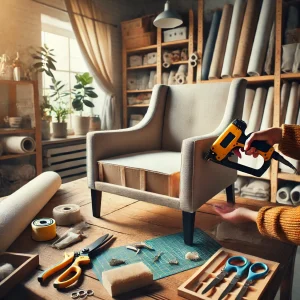


Leather furniture is a classic and luxurious choice that can enhance the elegance of any space. However, to maintain its beauty and longevity, proper care is essential. This includes utilizing DIY leather repair methods to address any minor damage that may occur. Whether you have a leather sofa, chair, or ottoman, following these tips will help keep your leather furniture looking pristine for years to come.
1. Regular Cleaning: The Foundation of Leather Care
Leather may look resilient, but like all natural materials, it requires regular upkeep to stay in top condition. Dust and dirt can settle into the pores of the leather, gradually wearing it down over time.
- Dust Regularly: At least once a week, use a soft, dry cloth or a microfiber cloth to gently dust your leather furniture. Regular dusting prevents particles from accumulating and keeps the leather looking fresh. Pay extra attention to crevices and seams where dust can settle.
- Vacuum with Caution: While dusting is sufficient for surface cleaning, deeper cleaning requires more attention. Use a vacuum cleaner with a brush attachment to remove dirt and debris from tight spots or in-between cushions. Be gentle to avoid scratching the leather, as vacuum attachments can sometimes be too rough.
- Avoid Abrasive Cleaning: Leather surfaces should never be cleaned with abrasive materials like rough sponges or stiff-bristled brushes, as these can cause scratching or scuffing. Stick to soft, non-scratch cleaning tools.
2. Wipe Up Spills Immediately: Leather’s Worst Enemy
One of leather’s main vulnerabilities is its susceptibility to spills. Leather is somewhat porous, which means it can absorb liquids if left untreated for too long.
- Act Quickly: When spills occur, the key is to act swiftly. Blot (rather than rub) the spill using a clean, dry cloth. Rubbing can spread the liquid and push it deeper into the leather fibers, potentially causing lasting stains.
- Use a Damp Cloth for Light Spills: If the spill is minor, such as water or a light beverage, you can use a damp cloth to gently wipe the area. Always follow up by drying the area with a clean cloth to avoid moisture buildup.
- Avoid Harsh Chemicals: Leather is delicate when it comes to chemicals. Cleaning agents with harsh ingredients like bleach, ammonia, or alcohol can strip away the leather’s natural oils, leaving it dry and prone to cracking. For tougher stains, opt for a mild soap solution or cleaners specifically formulated for leather.
3. Conditioning Leather: Keep It Supple and Soft
Over time, leather can lose its natural oils and moisture, causing it to become dry and brittle. Leather conditioner is essential to maintain the material’s suppleness and keep it from cracking.
- Use a High-Quality Leather Conditioner: Choose a conditioner that is compatible with your specific type of leather (full-grain, top-grain, or bonded). Conditioners should be applied every 6 to 12 months, depending on the environment and use. Conditioning not only keeps the leather soft but also restores moisture, which helps to prevent it from drying out and cracking.
- Test Before Use: Before applying any leather conditioner, it’s crucial to test it in an inconspicuous area, like the back or underside of the furniture. Some conditioners may slightly alter the color or finish of the leather. Waiting 24 hours after testing ensures you avoid unwanted results.
- Don’t Overcondition: While it’s important to condition leather regularly, over-conditioning can lead to a sticky or greasy residue. Stick to the recommended intervals to keep your leather looking and feeling great.
4. Protect from Sunlight: Prevent Fading and Drying
Direct sunlight can be particularly damaging to leather. UV rays not only cause fading but can also dry out the leather, leading to cracks and a loss of color vibrancy.
- Avoid Direct Sun Exposure: Position leather furniture away from windows or in areas where it won’t receive prolonged exposure to sunlight. If this isn’t possible, consider using sheer curtains or blinds to filter out harsh rays during the brightest times of day.
- Use UV Protection: You can go the extra mile by applying a UV-resistant leather spray or treatment. These treatments provide an extra layer of protection and are especially useful for furniture in bright or sunny rooms.
- Rotate Cushions: If your leather furniture includes removable cushions, rotate them regularly to ensure even wear and prevent one area from becoming more faded or worn than another.
5. Maintain Humidity Levels: Balance Is Key
Leather is a natural material that responds to changes in humidity and temperature. Extremes in either direction can damage the leather’s structure.
- Maintain Humidity Between 30% and 50%: Leather thrives in moderate humidity levels. Too much humidity can cause mildew or mold, while too little can lead to cracking as the leather dries out. Investing in a humidifier or dehumidifier can help maintain an optimal environment.
- Avoid Heat Sources: Direct exposure to heat can be just as damaging as sunlight. Keep your leather furniture away from heat sources such as radiators, space heaters, and fireplaces. The excessive heat can dry out the leather, leading to cracks and irreversible damage.
6. Handle with Care: Prevent Scratches and Scuffs
Leather furniture may look tough, but it’s surprisingly easy to damage with sharp objects or heavy items.
- Avoid Sharp Objects: Keys, pens, or pet claws can easily puncture or scratch the surface. Always be cautious when handling such items near your leather furniture. Consider using throws or covers if you have pets who like to lounge on your furniture.
- Use Coasters and Pads: Drinks, dishes, or decorative items can leave stains or marks on leather if not protected. Always use coasters or protective pads to avoid rings and scratches.
- Lift, Don’t Drag: When moving furniture or other heavy items across leather surfaces, always lift them instead of dragging them. Dragging can cause deep scratches that are difficult to repair.
7. Addressing Scuffs and Scratches: Restore the Beauty with DIY Leather Repair Methods
Even with the best care, leather furniture can still experience the occasional scuff or scratch. Fortunately, minor damage can often be treated at home using effective DIY leather repair methods.
- Buff Light Scuffs: For superficial scuffs, gently buff the area with a soft cloth. This will redistribute some of the leather’s natural oils, often reducing the appearance of the scuff.
- Utilize DIY Leather Repair Methods: For deeper scratches or more significant damage, consider utilizing DIY leather repair methods. You can create a homemade leather conditioner using olive oil and vinegar, which helps restore moisture and may camouflage minor imperfections. Additionally, leather repair kits that match the color of your furniture are available; these kits often include fillers and dyes that can help restore the appearance of scuffs and scratches.
- Seek Professional Help for Serious Damage: If the scratch is too deep or widespread for DIY methods, consider consulting a professional leather repair service. They have specialized tools and techniques that can restore your furniture to like-new condition.
Conclusion: Long-Term Care for Long-Lasting Beauty
Leather furniture can be a long-lasting investment, but like all fine materials, it requires proper care and attention. By following these essential tips—regular cleaning, timely spill management, consistent conditioning, protection from sunlight, maintaining ideal humidity levels, careful handling, and employing DIY leather repair methods—you can ensure that your leather furniture stays beautiful for years to come. Leather has a unique ability to age gracefully, developing character and richness over time. With a little effort, you can preserve its luxurious feel and enjoy its elegance in your home for many years.